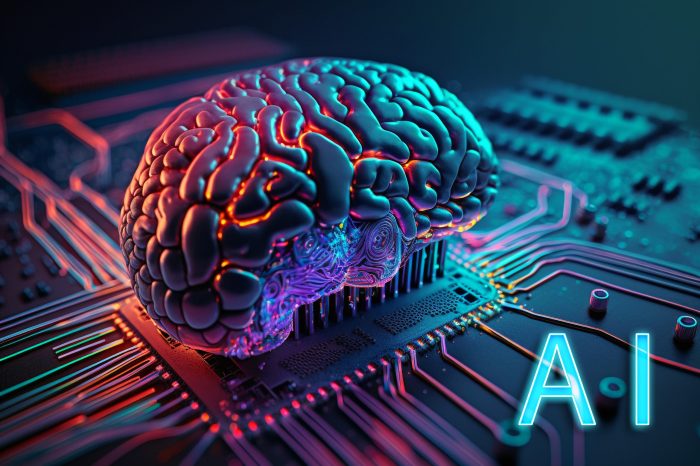
AI in cybersecurity is revolutionizing how we approach online safety, making it an essential focus in today’s digitized world. With cyber threats becoming increasingly sophisticated, leveraging artificial intelligence offers the potential to enhance threat detection and response times dramatically.
This technological advancement not only streamlines incident handling but also increases accuracy in identifying potential vulnerabilities, providing a robust defense against malicious attacks. Understanding the role of AI in this space is crucial for anyone looking to stay secure in an ever-evolving digital landscape.
The Role of AI in Cybersecurity
Artificial Intelligence (AI) is transforming the landscape of cybersecurity, providing advanced tools and methodologies that enhance threat detection and response capabilities. As cyber threats become increasingly sophisticated, the integration of AI in cybersecurity is not just beneficial but essential. AI’s ability to analyze vast datasets at incredible speeds allows organizations to stay ahead of potential threats, streamline incident responses, and bolster their overall security posture.AI significantly enhances threat detection through advanced algorithms and machine learning techniques that sift through enormous amounts of data to identify patterns indicative of malicious activity.
Traditional cybersecurity methods often rely on predefined signatures to detect threats, which can leave organizations vulnerable to novel attacks. AI-driven systems, on the other hand, leverage anomaly detection, which can identify deviations from normal behavior, thereby recognizing new and evolving threats in real-time.
Impact of AI on Incident Response Times and Accuracy
The deployment of AI technologies has a profound impact on incident response times and accuracy. By automating routine tasks and providing intelligence-driven insights, AI enables cybersecurity teams to respond more swiftly and effectively to incidents. The following points illustrate the key benefits of AI in incident response:
- AI systems can analyze threat data and events within milliseconds, vastly reducing the time it takes for human analysts to detect and respond to incidents.
- AI-driven tools can prioritize alerts based on risk levels, ensuring that the most critical threats are addressed first, enhancing the accuracy of responses.
- With AI, organizations can execute predefined response protocols automatically, limiting the impact of an incident and allowing human analysts to focus on more complex issues.
- AI can continuously learn from past incidents, improving the decision-making process over time, and refining the accuracy of future threat detection and response strategies.
Common AI-Driven Tools Used in Cybersecurity
A variety of AI-driven tools are becoming mainstream in cybersecurity, each serving specific functions that enhance the overall security framework. Here are some notable examples of these tools:
- Intrusion Detection Systems (IDS): AI-enhanced IDS can detect unusual patterns of network traffic, identifying potential intrusions that traditional systems might overlook.
- Security Information and Event Management (SIEM): AI-integrated SIEM solutions provide real-time analysis of security alerts generated from various hardware and applications, enabling quicker detection of threats.
- Endpoint Detection and Response (EDR): EDR platforms utilize AI to monitor endpoint activities continuously and respond to threats, improving protection against sophisticated attacks.
- Threat Intelligence Platforms: These platforms leverage AI to analyze threat data from multiple sources, helping organizations understand emerging threats and vulnerabilities in their environment.
“The integration of AI in cybersecurity is crucial for adapting to the dynamic nature of cyber threats and ensuring a robust defense strategy.”
Adopting AI-driven tools not only enhances the effectiveness of cybersecurity measures but also equips organizations with the agility required to navigate an ever-evolving threat landscape. The continuous evolution of AI technologies promises further advancements in threat detection and incident response, making them indispensable assets in the fight against cybercrime.
Challenges and Limitations of AI in Cybersecurity
The integration of AI into cybersecurity has revolutionized the field, offering sophisticated solutions that can analyze vast amounts of data much faster than traditional methods. However, this advancement is not without its own set of challenges and limitations. Understanding these hurdles is crucial for organizations looking to implement AI-driven security measures effectively and responsibly.
Potential Biases in AI Algorithms
AI algorithms are designed to learn from data, but if the data used is biased, the output will also reflect those biases. This can have severe implications for security measures, as biased AI could potentially overlook threats or misidentify benign activities as malicious. For instance, if an AI model is trained predominantly on data from a specific demographic, it may fail to recognize patterns associated with other groups, leading to ineffective threat detection.
“A biased algorithm can lead to wrongful security measures, potentially allowing genuine threats to slip through unnoticed.”
Furthermore, biased AI can contribute to unfair practices, such as discrimination in access to resources or unjust scrutiny of certain user groups. Organizations must ensure their data sets are diverse and representative to mitigate these risks and maintain fairness in their security protocols.
Data Privacy Challenges in AI Implementation
Implementing AI solutions often requires accessing large volumes of personal and sensitive data, raising significant privacy concerns. Organizations must balance the effectiveness of AI with the need to protect individual privacy rights. This often involves navigating complex regulations, such as the General Data Protection Regulation (GDPR) in Europe, which restricts how data can be collected, used, and stored.To address these concerns, organizations can adopt techniques such as data anonymization or encryption, allowing them to utilize AI while safeguarding personal information.
Nevertheless, this can complicate the training of AI models as anonymity may reduce the quality of the data used for learning.
Effectiveness of Traditional Cybersecurity Measures versus AI-Enhanced Methods
Traditional cybersecurity measures, such as firewalls and signature-based detection systems, have been foundational in protecting networks from threats. However, they often struggle to keep pace with evolving cyber threats, which can be highly sophisticated and adaptive. AI-enhanced methods, on the other hand, utilize machine learning and advanced algorithms to continuously learn and adapt to new threats.Consider the case of a retail company that experienced a data breach.
Traditional security measures failed to detect the intrusion because the attack used a novel method that was not covered by existing signatures. In contrast, an AI-driven system could analyze network traffic patterns in real-time, identifying anomalies that suggest an ongoing attack.
“AI-enhanced cybersecurity methods can dramatically reduce response times and improve threat detection, but they cannot fully replace traditional measures.”
While AI offers significant advantages, it is important to recognize that it functions best when used in conjunction with traditional methods. A layered approach to cybersecurity, combining both AI capabilities and proven techniques, provides a more robust defense against the multifaceted nature of cyber threats.
Future Trends of AI in Cybersecurity
The integration of artificial intelligence into cybersecurity practices is not just a passing trend; it is shaping the very future of how organizations protect their data. As cyber threats become increasingly sophisticated, the need for advanced technological solutions is paramount. Emerging technologies such as machine learning, natural language processing, and blockchain are paving the way for more effective and proactive security measures.
Emerging Technologies Shaping AI in Security
Several new technologies are set to enhance the capabilities of AI in the cybersecurity landscape. These technologies not only improve detection and response times but also provide deeper insights into potential vulnerabilities. Here are some key technologies to watch:
- Machine Learning Algorithms: Advanced machine learning algorithms are becoming essential for analyzing vast amounts of data to identify anomalies and respond to threats in real-time.
- Natural Language Processing (NLP): NLP helps in analyzing unstructured data, such as emails and social media, ensuring that potential threats communicated in plain language are detected early.
- Extended Detection and Response (XDR): XDR integrates various security tools and data sources, providing a holistic view of threats across the entire organization, leading to faster and more coordinated responses.
- Behavioral Analytics: By understanding user behaviors, AI can detect unusual activities that may indicate a breach, allowing organizations to act swiftly.
- Blockchain Technology: Enhancing data integrity and security, blockchain can provide a decentralized approach to securing transactions and communications against unauthorized alterations.
Roadmap for Integrating AI into Existing Cybersecurity Frameworks
The successful integration of AI into current cybersecurity frameworks requires a structured approach. Organizations can follow a roadmap that includes several stages to effectively implement AI technologies.
1. Assessment and Planning
Organizations should begin by assessing their current cybersecurity posture and identifying gaps where AI could enhance defenses. This involves evaluating existing tools and processes.
2. Pilot Programs
Initiating pilot programs allows organizations to test AI technologies on a smaller scale before broader implementation. This phase should focus on use cases that demonstrate quick wins.
3. Data Management
Effective AI requires vast amounts of data. Companies must ensure they have the right data collection and management practices in place, including data quality and compliance measures.
4. Training and Skill Development
Employees need training to work alongside AI tools. Upskilling cybersecurity professionals in AI fundamentals will be crucial in maximizing the benefits of these technologies.
5. Integration and Automation
Integrating AI solutions into existing systems should focus on automation of routine tasks, thereby freeing up human resources for more complex decision-making.
6. Continuous Evaluation
Organizations must continually evaluate the effectiveness of their AI solutions, adapting and optimizing them as new threats emerge and technologies evolve.
Ethical Considerations and Regulations Surrounding AI in Cybersecurity
As AI plays an increasingly significant role in cybersecurity, several ethical considerations and regulatory frameworks must be addressed to ensure responsible use. Key points include:
- Privacy Concerns: The deployment of AI in cybersecurity may lead to the collection and analysis of large amounts of personal data, raising concerns about user privacy and data protection.
- Accountability: Establishing clear accountability is essential, especially when AI systems make autonomous decisions that can impact individuals or organizations.
- Bias in AI Models: AI algorithms trained on biased data can lead to unfair outcomes. Ensuring diversity in training datasets is crucial to mitigate this risk.
- Regulatory Compliance: As AI use in cybersecurity grows, adherence to regulations such as GDPR or industry-specific standards will be critical to avoid legal repercussions.
- Transparency: Organizations should strive for transparency in their AI methodologies, enabling stakeholders to understand how decisions are made.
Closure
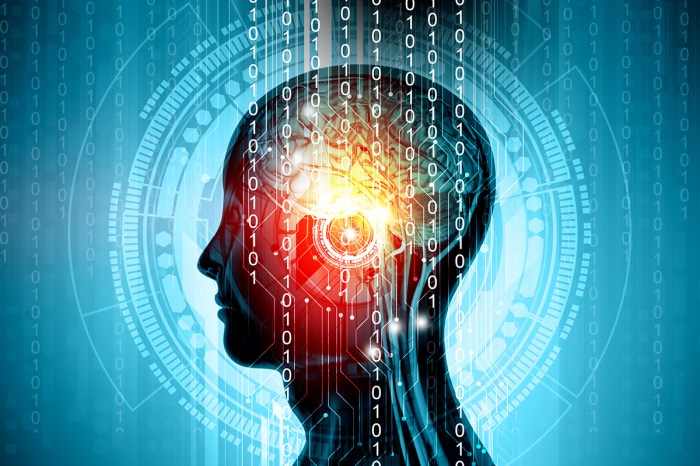
In summary, the integration of AI in cybersecurity stands as a testament to innovation in the face of growing challenges. As we look to the future, embracing AI-driven solutions will be key to navigating the complexities of modern security threats while addressing the ethical implications that come along with them.
Common Queries
How does AI improve threat detection in cybersecurity?
AI enhances threat detection by analyzing vast amounts of data quickly, identifying patterns and anomalies that may indicate a security breach.
What are some common tools that use AI in cybersecurity?
Tools such as intrusion detection systems, endpoint protection solutions, and security information and event management (SIEM) software commonly employ AI to improve security measures.
Are there privacy concerns with AI in cybersecurity?
Yes, the use of AI can raise privacy issues, particularly when handling sensitive personal data, necessitating strict compliance with privacy regulations.
What challenges do organizations face when implementing AI in cybersecurity?
Organizations may face challenges such as algorithmic bias, the need for extensive high-quality data, and integration with existing security frameworks.
Will AI replace human cybersecurity professionals?
While AI can automate many tasks, human oversight remains essential to address complex security challenges and ethical considerations.