
Kicking off with electrical tools for technicians, this topic delves into the key instruments that are indispensable for every electrical technician’s arsenal. From screwdrivers to multimeters, understanding these tools not only enhances efficiency but also elevates safety in the workplace.
In this guide, we’ll explore the must-have tools, safety equipment, maintenance tips, and the cutting-edge technology that is transforming the electrical industry. Whether you’re a seasoned professional or just starting out, this overview aims to equip you with the knowledge to make informed choices and optimize your electrical work.
Essential Electrical Tools for Technicians
Electrical technicians rely on a range of specialized tools to perform their jobs efficiently and safely. Selecting the right set of tools is crucial, as they not only facilitate smooth operations but also ensure safety and accuracy in electrical work. Quality tools can significantly impact a technician’s performance, making it vital to understand the purpose of each tool and the advantages of investing in high-quality equipment.
Must-Have Tools for Electrical Technicians
Every electrical technician should have a comprehensive set of tools at their disposal. Below is a detailed overview of the essential tools, outlining their functions and importance in the field:
- Multimeter: This versatile tool is essential for measuring voltage, current, and resistance. Technicians use multimeters to troubleshoot electrical issues by checking circuit continuity and diagnosing faults.
- Wire Stripper: Designed to remove the insulation from electrical wires, wire strippers are crucial for making clean and accurate connections. They come with various gauge settings to accommodate different wire sizes, ensuring efficiency in preparation for splicing or termination.
- Screwdriver Set: A reliable set of screwdrivers, including flat-head and Phillips-head, is vital for securing and loosening screws on electrical fixtures and equipment. Magnetic screwdrivers can also help prevent losing small screws during repairs.
- Pliers: Various types of pliers, including needle-nose and lineman’s pliers, are essential for gripping, twisting, bending, and cutting wires. Their versatility ensures that technicians can manipulate wires in tight spaces easily.
- Circuit Tester: This tool is used to check if current is flowing through a circuit. Circuit testers are crucial for ensuring that circuits are safe to work on and for identifying problems in installations.
- Fish Tape: A fish tape is a flexible tool used to route new wiring through walls or conduits. It simplifies the process of pulling wires through tight spaces, saving time and reducing frustration.
- Safety Equipment: Personal protective gear, including insulated gloves and safety glasses, is non-negotiable. These items protect technicians from electric shocks, burns, and eye injuries, ensuring a safe working environment.
The importance of investing in quality tools cannot be overstated. While it may be tempting to opt for cheaper alternatives, high-quality tools often provide greater durability, efficiency, and safety. They are designed to withstand the rigors of electrical work and ensure precise measurements and secure connections, reducing the risk of accidents and errors. In the long run, quality tools can save technicians time and money by minimizing the need for replacements and repairs, allowing them to focus on delivering excellent service to their clients.
Safety Equipment for Electrical Work
Safety is paramount in electrical work, and having the right safety equipment can make the difference between a successful job and a serious accident. Electrical technicians face numerous hazards, including electrical shock, arc flash, and exposure to hazardous materials. As such, equipping oneself with appropriate safety gear is not just a recommendation; it’s a necessity for ensuring personal safety and compliance with industry regulations.When it comes to safety equipment, there are multiple types that technicians should consider.
Each of these items plays a crucial role in minimizing risks associated with electrical work. Below are essential categories of safety gear that every electrical technician should have in their toolkit:
Types of Safety Gear Necessary for Technicians
Understanding the distinct categories of safety gear can help technicians select the most suitable equipment for their specific tasks. The following list Artikels essential types of safety equipment:
- Personal Protective Equipment (PPE): This includes items such as insulated gloves, safety goggles, and hard hats. PPE protects the technician from electric shock, falling objects, and other workplace hazards.
- Arc Flash Clothing: Specialized clothing designed to withstand the thermal effects of an arc flash. These garments should be rated according to the potential incident energy exposure at the worksite.
- Insulated Tools: Tools that are coated with a non-conductive material to prevent electrical conduction if they come into contact with live circuits. Examples include insulated screwdrivers and pliers.
- Respirators: For tasks that may expose technicians to harmful dust or fumes, respirators protect the lungs from dangerous airborne particles.
- First Aid Kits: A well-stocked first aid kit should be readily accessible, containing items such as bandages, antiseptic wipes, and burn treatments to address workplace injuries promptly.
In addition to selecting the right safety gear, it is crucial for technicians to practice safe usage to maximize protection.
Best Practices for Using Safety Equipment
Using safety equipment effectively requires adherence to specific best practices. Technicians should engage in the following practices to ensure their safety and the safety of others:
- Always inspect safety gear before use to ensure that it is in good condition and free of damage. This includes checking for tears in gloves and cracks in goggles.
- Utilize the right gear for the job at hand. Using safety equipment that is not rated for the specific hazards present can lead to severe injuries.
- Follow all manufacturer instructions regarding the use and maintenance of safety gear to guarantee optimal performance and longevity.
- Wear all mandatory PPE at all times when working in environments with electrical hazards, even if the risk seems minimal.
- Encourage a culture of safety among colleagues, reminding them to also adhere to safety protocols and wear appropriate gear.
Making informed choices about safety equipment can significantly impact a technician’s safety outcomes.
Comparison of Different Brands and Types of Safety Gear
With numerous brands and types of safety gear available in the market, it is essential to choose reliable options that meet industry standards. Here are a few comparisons of popular brands, focusing on specific types of equipment:
| Type of Gear | Brand | Features | Price Range |
|---|---|---|---|
| Insulated Gloves | Rubber insulating gloves by Lineman’s | Class 0 to Class 4 ratings; durable and flexible | $30 – $100 |
| Arc Flash Clothing | Carhartt FR shirts | Flame-resistant, lightweight, and comfortable | $50 – $150 |
| Safety Goggles | 3M safety goggles | Anti-fog, impact-resistant; wide field of vision | $15 – $40 |
| Insulated Tools | Klein Tools | Meets ASTM standards; high-quality, durable tools | $20 – $75 |
When selecting safety equipment, it is crucial to consider both the quality and the specific needs of the job. Investing in high-quality safety gear ensures long-term protection and reliability, which is vital for the safety of electrical technicians in their everyday tasks.
Maintenance and Care of Electrical Tools
Taking care of electrical tools is essential for ensuring their performance and longevity. Regular maintenance not only enhances the efficiency of the tools but also promotes safety during use. Technicians must adopt proper procedures to maintain their tools, store them correctly, and troubleshoot common issues to prevent downtime and costly repairs.
Proper Maintenance Procedures
Routine maintenance of electrical tools involves several key practices that should be adhered to diligently. Regular cleaning, inspection, and servicing can prevent many common issues that arise from neglect.
- Cleaning: After each use, tools should be wiped down to remove dust, grease, and debris. Use a soft cloth and, if needed, a mild detergent to clean surfaces. Avoid abrasive materials that can scratch or damage the tool finishes.
- Inspection: Technicians should regularly check for any visible wear or damage, particularly on cords and connectors. Look for frayed wires, cracked housings, or loose parts that may require immediate attention.
- Lubrication: Moving parts of tools should be regularly lubricated according to the manufacturer’s specifications. This reduces friction and wear, prolonging the tool’s operational life.
- Calibration: For precision tools, regular calibration is necessary to ensure accuracy. This should be done periodically, especially if the tool is used frequently.
Safe Storage Tips
Proper storage of electrical tools is vital to prevent damage and extend their lifespan. A well-organized storage system not only protects the tools but also makes them readily accessible when needed.
- Dry Environment: Store tools in a dry, cool place to prevent rust and corrosion. Humidity can severely impact the longevity of electrical components.
- Toolboxes or Cabinets: Utilize toolboxes or cabinets with designated compartments. This helps to prevent tools from knocking against each other and causing damage.
- Vertical Storage: For power tools, consider vertical storage to save space and reduce the risk of accidental damage. Wall-mounted racks can be a practical solution.
- Cord Management: Keep cords coiled and secured to avoid tangling and kinking, which can lead to breakage over time.
Troubleshooting Common Tool Issues
Despite the best maintenance efforts, technicians may encounter issues with their tools. Familiarity with common problems and how to troubleshoot them can save time and reduce frustration.
- Power Failure: If an electrical tool does not power on, check the power source and ensure that any switches are in the correct position. Inspect the power cord for damage and consider testing the outlet with another device.
- Overheating: Tools can overheat due to excessive use or buildup of dust and debris. Allow the tool to cool down, and ensure ventilation is not obstructed. Regular cleaning can help prevent this issue.
- Unusual Noises: Grinding or rattling noises may indicate a need for lubrication or internal components that require adjustment. It is advisable to stop using the tool immediately and conduct a thorough inspection.
- Battery Issues: For cordless tools, battery performance can decline over time. Routinely check the battery for signs of wear, and follow proper charging procedures to ensure longevity.
Regular maintenance and proper care significantly extend the life of electrical tools and enhance their performance.
Related Technology and Gadgets in Electrical Work
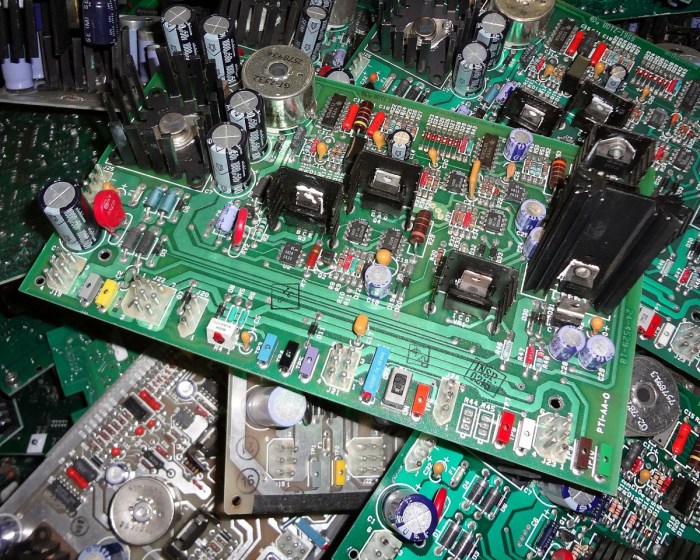
In today’s fast-paced electrical industry, technology plays a pivotal role in enhancing the efficiency and effectiveness of technicians. From innovative gadgets to advanced software, these tools not only streamline tasks but also improve safety and accuracy. Understanding these technologies can significantly aid technicians in their daily operations, allowing them to work smarter, not harder.The integration of modern technology into electrical work has transformed traditional practices, introducing sophisticated gadgets that assist in complex tasks.
For instance, smart multimeters have become essential for measuring electrical properties, offering features such as Bluetooth connectivity for data logging and analysis. Furthermore, augmented reality (AR) applications are now being used to visualize electrical systems, enabling technicians to see overlays of schematics directly on the job site through smart glasses or mobile devices. This innovation facilitates better understanding and troubleshooting of electrical installations.
Innovative Gadgets Enhancing Electrical Work
Several gadgets have emerged that significantly enhance the capabilities of electrical technicians. These devices are designed to improve accuracy, safety, and productivity while working on various tasks.
- Smart Multimeters: Equipped with connectivity options, these devices allow for real-time data sharing with smartphones or tablets, making it easier to monitor and record readings.
- Wire Tracers: These can trace wires through walls and ceilings, helping technicians locate circuits without invasive measures, thus saving time and reducing damage.
- Digital Insulation Testers: These testers help identify insulation faults and ensure components are safe to operate, a crucial aspect of electrical maintenance.
- Smart Circuit Breakers: These devices provide remote monitoring and control, enabling technicians to manage power distribution more effectively and safely.
The ability to seamlessly integrate mobile computing into electrical work has revolutionized how technicians perform their jobs. Mobile applications designed for electrical diagnostics allow for easier identification of issues in real-time. These apps provide technicians with access to manuals, schematics, and even troubleshooting guides right on their smartphones or tablets.
Mobile Computing Applications in the Field
Mobile computing has made significant strides in supporting electrical technicians in the field. These applications not only improve job performance but also enhance communication and documentation processes.
- Diagnostic Tools: Mobile apps that interface with diagnostic tools enable technicians to analyze equipment performance, track issues, and even schedule maintenance tasks directly from the job site.
- Project Management Software: These applications help in planning and tracking progress on electrical projects, ensuring deadlines are met and resources are managed efficiently.
- Safety and Compliance Apps: Technicians can access safety documents and compliance checklists on their devices, ensuring they follow safety protocols in real-time.
The use of mobile computing significantly reduces the paperwork involved in electrical work, allowing for quicker access to critical information. This integration not only boosts productivity but also enhances the overall quality of work performed by technicians in various electrical environments.
The Role of Software in Electrical Technology
In the ever-evolving field of electrical technology, software applications play a pivotal role in enhancing efficiency, accuracy, and innovation. As electrical systems become increasingly complex, technicians rely on a variety of software tools to facilitate design, planning, and troubleshooting. These advanced applications empower professionals to streamline their workflows and optimize project outcomes, making them indispensable in modern electrical engineering.Software applications for electrical design and planning contribute significantly to the precision and effectiveness of electrical projects.
They assist technicians in creating detailed schematics, performing load calculations, simulating system behaviors, and ensuring compliance with safety standards. With the integration of artificial intelligence and machine learning, these applications are becoming smarter, helping users identify potential issues before they manifest.
Popular Software Tools Used by Electrical Technicians
A variety of software tools are widely utilized in the electrical industry, each offering unique features tailored to different aspects of electrical work. Understanding these tools is essential for technicians looking to enhance their capabilities. Here’s a list of some of the most popular software tools:
- AutoCAD Electrical: A specialized version of AutoCAD, this software streamlines electrical design processes with an extensive library of symbols and tools for automation.
- ETAP (Electrical Transient Analyzer Program): This software provides comprehensive analysis and design functionalities for various electrical systems, including load flow, short circuit, and relay coordination studies.
- SKM PowerTools: A powerful set of tools for analyzing power systems, SKM aids in fault analysis, arc flash studies, and protective device coordination.
- Revit MEP: Primarily used for Building Information Modeling (BIM), Revit MEP integrates electrical design within the overall architectural framework, promoting collaboration among various stakeholders.
- CircuitMaker: A user-friendly PCB design tool, ideal for developing electronic circuits and schematics in a collaborative environment.
Advancements in software are profoundly impacting the electrical industry by introducing automation and enhancing design accuracy. These improvements lead to reduced project timelines and costs while promoting sustainability through optimized energy usage.
“The integration of advanced software solutions is reshaping the landscape of electrical engineering, enabling faster and more reliable designs.”
Technicians now have access to cloud-based platforms that facilitate real-time collaboration and data sharing across teams, regardless of geographical location. Additionally, these advancements enable predictive maintenance and remote monitoring of electrical systems, ensuring they operate at peak efficiency and reducing downtime. With software constantly evolving to include features such as augmented reality visualizations and integration with IoT devices, the future of electrical technology looks increasingly promising.
Last Point
In summary, knowing the essential electrical tools for technicians is crucial for successful and safe electrical work. By prioritizing quality tools, adhering to safety standards, and embracing modern technology, technicians can enhance their skills and performance in the field. Stay informed and equipped, and you’ll always be ready for any electrical challenge that comes your way.
FAQ Guide
What are the essential tools every technician should have?
Essential tools include a multimeter, wire strippers, pliers, screwdrivers, and a voltage tester.
How often should electrical tools be maintained?
Tools should be inspected and maintained regularly, ideally after each use, to ensure optimal performance and safety.
What safety gear is recommended for electrical work?
Recommended safety gear includes insulated gloves, safety goggles, hard hats, and flame-resistant clothing.
How can technology improve electrical work?
Technology improves efficiency through advanced tools and software that streamline design, planning, and execution.
Are there specific brands known for quality electrical tools?
Yes, brands like Klein Tools, Milwaukee, and Fluke are known for their quality and reliability in the electrical industry.