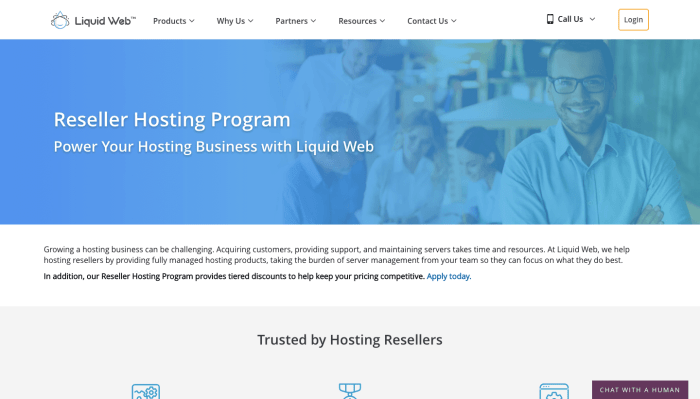
Reseller hosting platforms set the stage for an exciting journey into the world of web hosting. These platforms empower individuals and businesses to provide hosting solutions to end-users, creating a unique opportunity for entrepreneurship in a digital age. With the right tools and knowledge, anyone can dive into this lucrative market, offering services that cater to various needs while building a brand in the competitive web hosting landscape.
Understanding how reseller hosting operates is crucial for anyone looking to succeed in this domain. By leveraging existing infrastructure and resources, reseller hosting enables users to sell hosting services under their own brand, allowing for scalable growth. Additionally, choosing the right platform involves evaluating key features, integration capabilities, and profit potential, all essential for establishing a thriving reseller business.
Reseller Hosting Platforms Overview

Reseller hosting is a popular choice for individuals and businesses looking to enter the web hosting industry without the need to build infrastructure from scratch. This model allows users to buy hosting services in bulk from a parent hosting provider and resell them to their clients. This overview will delve into the features and benefits of popular reseller hosting platforms, the operational mechanics behind reseller hosting, and key considerations for choosing the right platform.Reseller hosting platforms provide various functionalities tailored to meet the needs of resellers.
These include white-label solutions, which allow resellers to brand the service as their own, and customizable control panels that simplify account management for their clients. Additionally, many platforms offer scalable resources, allowing resellers to adjust their offerings based on client demands.
Features and Benefits of Popular Reseller Hosting Platforms
Understanding the features and benefits of leading reseller hosting platforms is crucial when deciding on a hosting partner. Here are some noteworthy aspects:
- White-Label Branding: Resellers can offer hosting services under their own brand, enhancing credibility and recognition.
- Custom Control Panels: User-friendly interfaces like cPanel or Plesk allow resellers and their clients to manage websites easily.
- Scalability: Reseller hosting plans often provide scalable resource options, enabling resellers to grow their business efficiently.
- 24/7 Support: Many platforms offer round-the-clock technical support to help resellers solve issues quickly.
- Automated Billing Systems: Integrated billing tools help streamline the invoicing and payment processes for resellers.
A significant aspect of reseller hosting is its operational framework. Resellers purchase server space and resources in bulk from the primary hosting provider, which they can then allocate to their customers. This setup empowers resellers to create their own hosting plans, set pricing, and manage customer accounts without needing to invest heavily in the infrastructure.
Key Factors in Choosing a Reseller Hosting Platform
When selecting a reseller hosting platform, several factors should be carefully considered to ensure the best fit for your business needs:
- Reliability and Uptime: Look for platforms that guarantee high uptime rates, typically 99.9% or higher, to ensure that client websites remain accessible.
- Resource Allocation: Assess how resources like bandwidth and storage are allocated and whether they can be adjusted based on growth.
- Customer Support: Evaluate the level of support provided, including the availability of technical assistance and resources.
- Pricing Structure: Understand the pricing model, including any hidden fees, to ensure the potential for profitability.
- Flexibility: Choose a platform that offers flexible plans that can easily adapt to changing business needs.
Choosing the right reseller hosting platform can significantly impact your business’s growth and client satisfaction.
By considering these features and factors, potential resellers can make informed decisions that align with their business goals and client expectations, ultimately leading to a successful reseller hosting venture.
Integration with Web Hosting and Domain Names
Reseller hosting platforms offer a unique opportunity for entrepreneurs to bundle web hosting services with domain name registration. This integration not only simplifies the process for end-users but also enhances the overall service offering. Understanding the seamless connection between web hosting and domain registration is crucial for resellers who want to provide a comprehensive solution to their clients.Integrating reseller hosting with domain registration services is a straightforward process that involves a few key steps.
Initially, resellers must choose a reputable domain registrar that offers API access. This allows them to manage domain registrations directly from their hosting platform. Upon setting up the connection, resellers can offer domain registration as an add-on service when customers purchase hosting plans. This integration significantly improves customer experience, as users can handle both hosting and domain management in one place.
Managing Domain Names Effectively Through Reseller Hosting Platforms
To manage domain names efficiently, resellers should leverage the built-in management tools provided by their hosting platforms. These tools include features such as domain forwarding, DNS management, and bulk domain registration. Such functionalities enable resellers to streamline operations and offer their clients a robust domain management experience. Key strategies for effective domain management include:
- Centralized Dashboard: Utilize the centralized dashboard for easy access to all registered domains and their status, simplifying management tasks.
- Automated Renewals: Set up automated renewal processes to prevent domain expirations and maintain client trust.
- DNS Management: Offer clients the ability to modify DNS settings easily, supporting various configurations such as A records and MX records.
- Domain Transfer Services: Facilitate domain transfers for clients wishing to move their domains to your hosting service, enhancing client retention.
The synergy between web hosting and domain name services is particularly evident in the way they complement each other in reseller hosting. For instance, when clients purchase a hosting plan that includes a domain, they benefit from a bundled discount, making it more appealing financially. Additionally, having both services under one roof enhances user convenience, as they can manage their website and domain settings from a single account.
Reseller hosting with integrated domain registration empowers clients with seamless management capabilities, fostering customer satisfaction and loyalty.
For example, a reseller offering a hosting plan that includes a free domain for the first year can attract more customers. This strategy not only boosts initial sales but also sets the stage for retaining customers through renewal of both hosting and domain services in subsequent years. By combining these two essential web services, resellers can create a competitive edge while delivering exceptional value to their clients.
Revenue Generation through Reseller Hosting
Reseller hosting presents a lucrative opportunity for individuals and businesses to generate revenue by offering web hosting services under their own brand. By leveraging existing hosting infrastructure, resellers can create profitable ventures with relatively low upfront investment. This section explores effective strategies for income generation, tailored marketing techniques, and various profit models that characterize the reseller hosting business.
Income Generation Strategy for Reseller Hosting
To successfully generate income through reseller hosting, a structured approach is essential. This involves understanding your target market, setting competitive pricing, and providing exceptional customer service. Resellers can enhance their profitability by bundling services, such as domain registration and website design, alongside hosting packages.
- Identify Target Market: Understanding the demographics and needs of potential clients is crucial. Focus on small businesses, startups, or individuals looking for personal websites.
- Competitive Pricing: Conduct market research to determine competitive pricing strategies. Consider offering tiered pricing to accommodate various client budgets.
- Service Bundling: Combine hosting packages with complementary services, such as SSL certificates, security features, and website building tools, to enhance value for customers.
- Exceptional Customer Support: Ensure prompt and reliable customer service to build trust and retain clients over time.
Marketing Techniques for Selling Hosting Services
Marketing plays a pivotal role in attracting clients to reseller hosting services. Utilizing digital marketing strategies can significantly enhance visibility and drive sales.
- Search Engine Optimization (): Optimize your website for search engines to increase organic traffic. Use relevant s related to hosting services and create valuable content that addresses common questions.
- Social Media Marketing: Engage potential customers through social media platforms by sharing informative content, hosting webinars, and offering promotional discounts.
- Email Campaigns: Develop targeted email marketing campaigns to keep potential and existing clients informed about service upgrades, promotions, and industry trends.
- Affiliate Programs: Create an affiliate program that allows partners to earn commissions for referring new clients, expanding your reach and generating more leads.
Profit Models and Revenue Streams in Reseller Hosting
Understanding the various profit models in the reseller hosting business is essential for maximizing revenue. Resellers can explore multiple revenue streams to diversify income and enhance overall profitability.
- Monthly Recurring Revenue (MRR): Establish a subscription-based model where clients pay a monthly fee for ongoing hosting services, ensuring a steady income stream.
- One-Time Fees: Charge one-time fees for additional services such as website migrations, setup fees, or premium technical support.
- Upselling and Cross-selling: Increase revenue by promoting higher-tier packages or complementary services, such as premium support or enhanced security features.
- Reselling Additional Services: Offer services like domain registration, website design, and digital marketing, providing comprehensive solutions to your clients.
Conclusion
In summary, reseller hosting platforms offer a fantastic avenue for generating income and establishing a brand in the digital marketplace. By understanding the intricacies of integration and revenue generation, aspiring resellers can carve out their niche and thrive. As the web hosting industry continues to grow, the opportunities for innovation and success in reseller hosting remain abundant for those willing to invest time and effort.
FAQ Insights
What is reseller hosting?
Reseller hosting allows individuals or businesses to purchase hosting services in bulk and sell them under their own brand to customers.
How much can I earn with reseller hosting?
Earnings vary based on pricing strategies, customer base, and marketing efforts, with potential profits ranging from a few hundred to thousands of dollars per month.
Do I need technical skills for reseller hosting?
While technical skills can be beneficial, many reseller hosting platforms offer user-friendly interfaces and support to help beginners.
Can I offer additional services besides hosting?
Yes, resellers can provide services such as domain registration, website design, and digital marketing to enhance their offerings.
Is reseller hosting scalable?
Absolutely! Reseller hosting is designed to be scalable, allowing you to grow your business by adding more services or customers as needed.